
Why I Founded Civic Decode: AI Meets Urban Planning
It started in a classroom at UCLA in 2014.
I was working on my Master’s in Urban Planning, when I decided to take a business plan development course jointly offered by the business school. The assignment was to build a business plan for a startup idea, and so my mind went to a recurring problem I had come across during my graduate studies. I was frustrated. As I learned about the major role local governments have played in shaping our built environment, I saw a stark contrast. Private organizations were constantly upgrading their tech stacks, streamlining operations, and becoming more user-friendly. Meanwhile, city planning departments—the very entities responsible for molding our communities—felt stuck in the analog age.
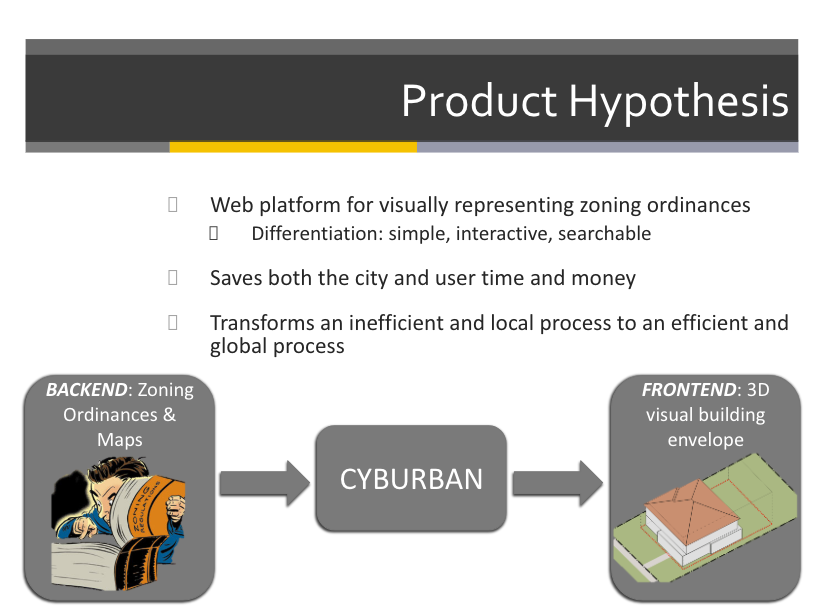
That frustration sparked an idea. I wanted to digitize zoning laws, transforming them from dense, impenetrable legal texts into interactive, visual data. I used the name "Cyburban," a play on the words cyber and urban. The goal was to make zoning simple, searchable, and interactive for everyone, from developers to everyday citizens. It was a solid idea. But over the course of the class, I realized it had a fatal flaw.
The Scalability Wall
In 2014, the technology required to pull this off simply wasn't ready. To turn a city’s zoning code into something digital and interactive, you had to manually decipher the legal code line by line and translate it into programming "code." If you’ve ever looked at zoning laws, you know the problem. They are hundreds, sometimes thousands, of pages long. To do this for one city would be a massive undertaking. To do it for every city? It was impossible to scale. The manpower required to translate legal text into code was cost-prohibitive.
So, I shelved the idea.
The Gap Years
Life moved on. Over the next decade, I joined the private sector, first helping others to expedite development projects by navigating the byzantine planning process and then delving into multi-family projects myself. I got married. I became a father to two wonderful girls. I watched the world change dramatically while most of the public sector still remained stuck in the past. Then came the 2020s, and with it, the explosion of Large Language Models (LLMs). Suddenly, the barrier that had stopped Cyburban in its tracks crumbled. We finally had the technology to translate complex legal texts into programmable data at scale, rapidly and accurately. The tool I had been missing in 2014 finally existed.
Introducing Civic Decode
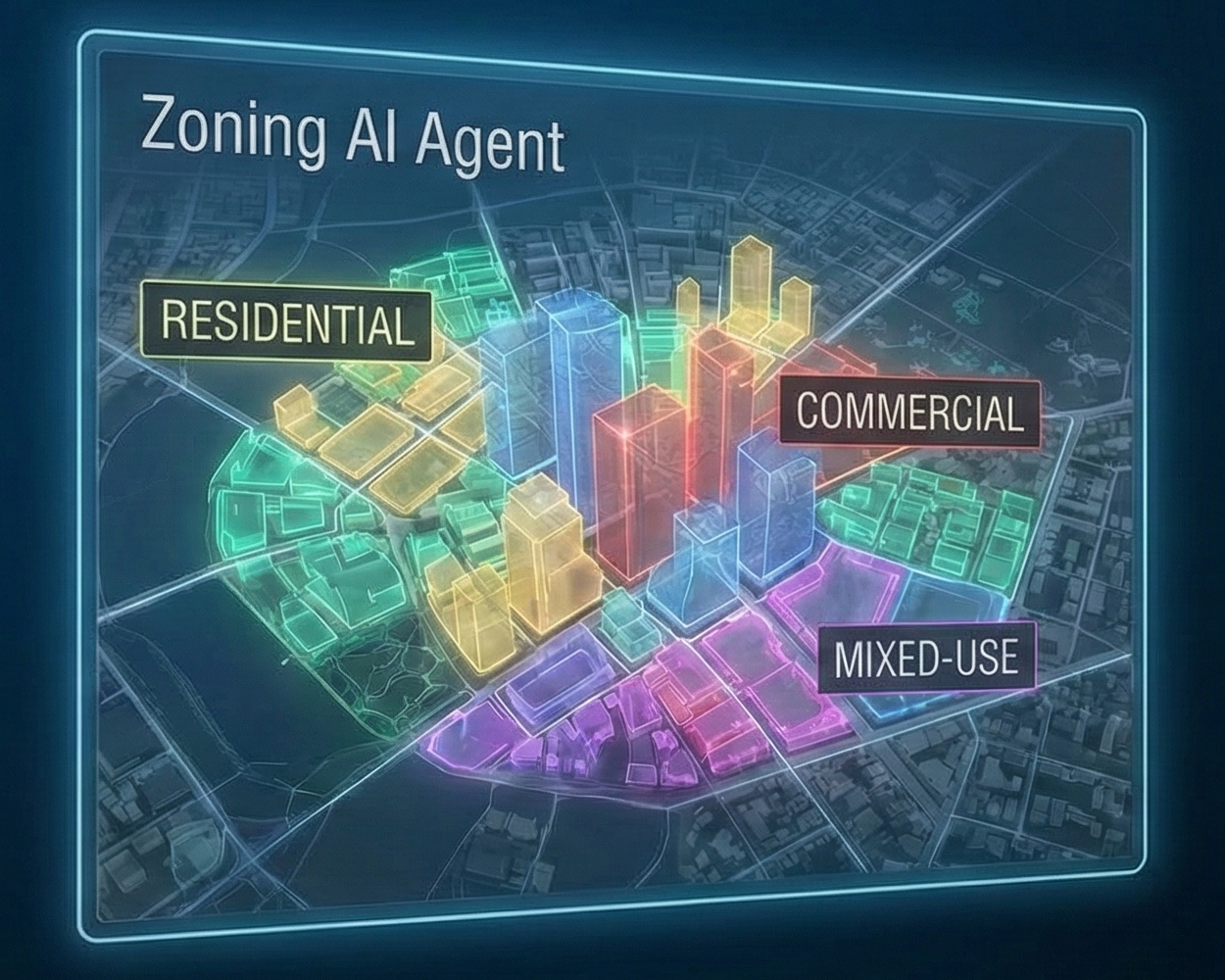
In late 2025, I realized the timing was finally right. The vision I had at UCLA could finally be realized, not as a manual slog, but as a scalable, AI-powered reality. I founded Civic Decode Inc. with the same mission I had back then, but with the power to actually deliver on it: bringing cities into the 21st century. At Civic Decode, we're here to bridge the gap between the rigid complexity of government codes and the dynamic needs of the modern-day practices. We are taking the dense and cryptic zoning laws and turning them into accessible and interactive tools to build more affordable housing and reshape our cities.
It took 12 years, an AI revolution, and a lot of life experience to get here. But Civic Decode is finally ready to build the future of urban planning.
Welcome to the journey.